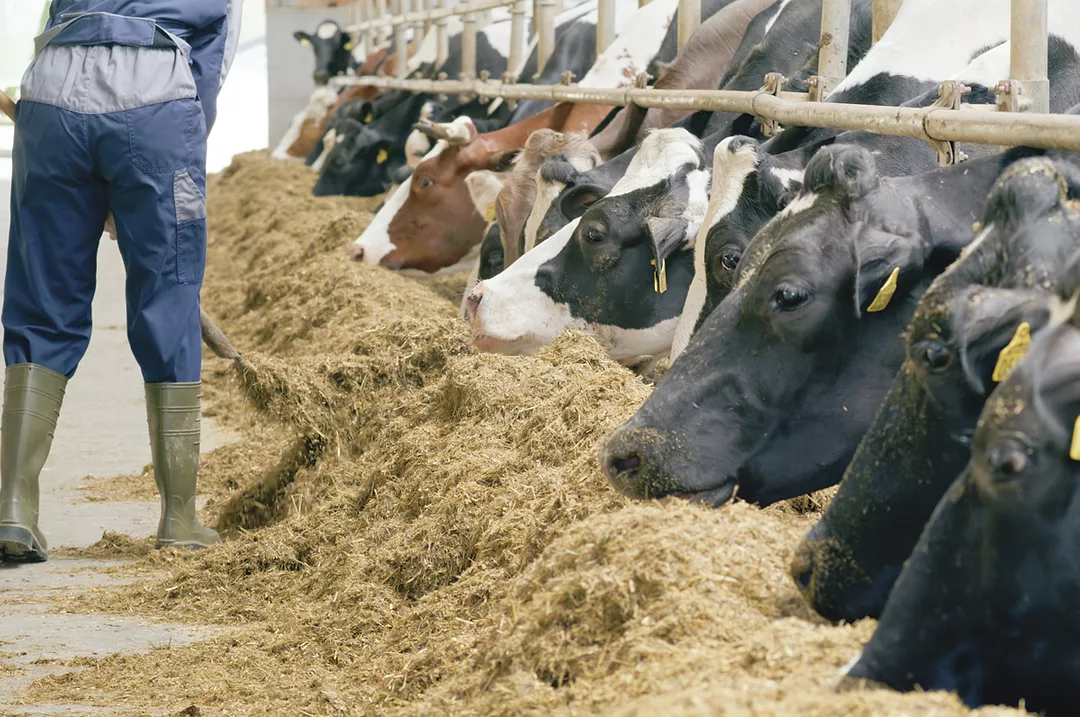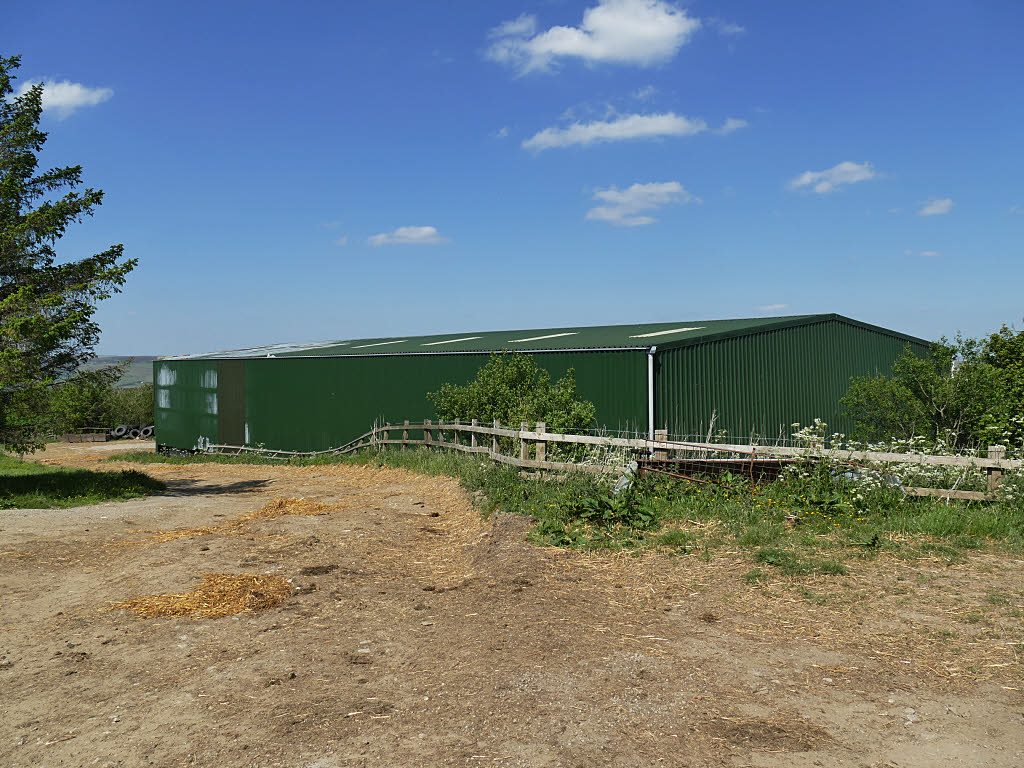
Building and Farm Structures refers to the study, design, construction, and maintenance of structures used for human habitation and agricultural activities. It is a field that combines principles of construction technology, engineering, and agriculture to create safe, durable, and functional buildings.
1. Building Structures
Building structures are permanent constructions designed to provide shelter, protection, and space for human activities such as living, working, learning, or storage.
Examples include:
-
Residential houses
-
Schools and offices
-
Warehouses
-
Commercial buildings
Key characteristics:
-
Built using materials such as stone, bricks, timber, steel, and concrete
-
Designed according to architectural and engineering standards
-
Must ensure strength, stability, safety, and durability
2. Farm Structures
Farm structures are buildings and installations specifically constructed to support agricultural production and livestock management.
Examples include:
-
Animal houses (cow sheds, poultry houses, pig pens)
-
Grain stores and silos
-
Farm tool sheds
-
Greenhouses
-
Water tanks and irrigation structures
Key characteristics:
-
Designed to improve farm productivity and efficiency
-
Provide shelter for animals, storage for crops, and space for farm operations
-
Built to withstand weather conditions and farm activities
- Teacher: Admin User